Go Back
What a Home Inspector Checks on Your Electrical Panel
A plain look at how I evaluate an electrical panel during a Texas home inspection and the common issues that show up in older Austin and San Antonio homes.

Jeremy Wagner
Oct 01, 2026
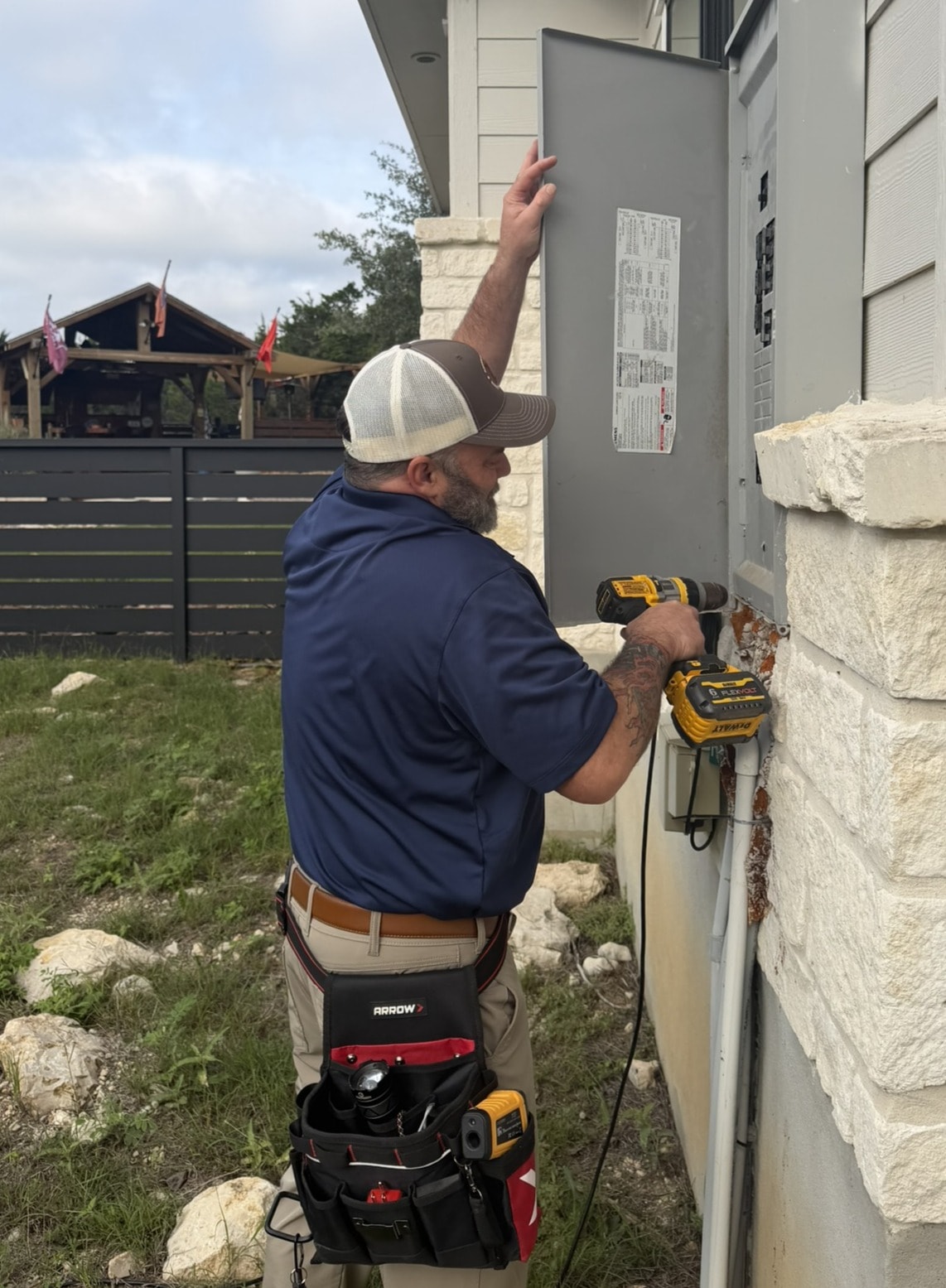
Quick answer: The electrical panel is the heart of a home's wiring, and it is one of the most important things I inspect. I open it up, look at how it is wired and protected, and flag safety issues like double tapped breakers, corrosion, or panel brands with a known history of problems. In Austin and San Antonio homes of all ages, the panel often tells me whether the electrical system has been cared for or quietly neglected.
Everything electrical in your home runs through the panel. It is where power comes in and gets divided into the circuits that feed your outlets, lights, and appliances, and it is where the breakers are supposed to shut things down before a problem becomes a fire. A panel that is wired well and in good shape is a sign of a home that has been maintained. A panel full of shortcuts is a warning that other corners may have been cut too.
Central Texas has a wide mix of housing, from older homes that have been added onto over the decades to newer builds going up across the region. That range means I see everything from modern, clean panels to older ones that have been modified again and again by different hands.
I am careful here, because an open panel has live parts. I remove the cover, look at the overall condition, and evaluate the components the way a home inspection is meant to. This is not the same as a licensed electrician rewiring a circuit, and I refer out anything that needs repair.
I look at whether breakers are sized correctly for the wire they protect, since an oversized breaker on a thin wire is a real hazard. I check for double tapped breakers, which is where two wires are jammed under one screw that was built for a single wire. I look for loose connections, signs of overheating, and wiring that has been spliced or extended in ways that do not belong inside a panel.
I look for rust and corrosion inside the panel, which points to water getting in at some point. Moisture and electricity are a bad mix, and corrosion on the bus bar or breakers is something I always write up. In a region that gets heavy storms, a panel on an exterior wall can take on water if the enclosure is not sealed well.
Some older panel brands have a known history of breakers that fail to trip the way they should. When I see one of those, I note it clearly, because it is a safety concern regardless of how the panel looks. I also check the age and overall capacity, since an older or undersized panel can struggle with the demands of a modern home.
I check that the system is grounded and bonded properly, which is what keeps the metal parts of your home from becoming energized during a fault. Missing or improper grounding is common in older homes that were wired before current practices, and it is an important thing to know about.
The most frequent issues I write up are double tapped breakers, missing or improper grounding, breakers that do not match the wire size, and damage or corrosion from past moisture. I also find a lot of amateur work in panels where a previous owner ran a new circuit themselves. None of these mean a home is unbuyable. They mean you should have a licensed electrician give you a repair estimate so you can factor it into your decision.
Usually not. Most panel problems are repairable by a licensed electrician. The point of the inspection is to find them so you can get them fixed and make a decision with eyes open.
For anything involving repair or rewiring, yes. I identify and document the concern, and a licensed electrician is the right person to correct it and tell you the cost.
Not always. Plenty of older panels are perfectly serviceable. The concern is specific brands with a known failure history, and panels that have been modified poorly over the years. I tell you which situation you are looking at.
I inspect what I can safely reach. If a panel is blocked, painted over, or otherwise not accessible, I note that limitation in the report and recommend follow up.
If you want a clear, honest look at a home's electrical system before you buy, I can help. Call or text Rusted Anchor Home Inspections at (210) 997-8871, or email admin@hirustedanchor.com. We inspect homes across Austin, San Antonio, and the Hill Country, and we will show you exactly what is going on behind that panel cover.
By Jeremy Wagner, Rusted Anchor Home Inspections
Serving Austin, San Antonio, and the Texas Hill Country. Veteran-owned, detail-driven, zero conflicts of interest.