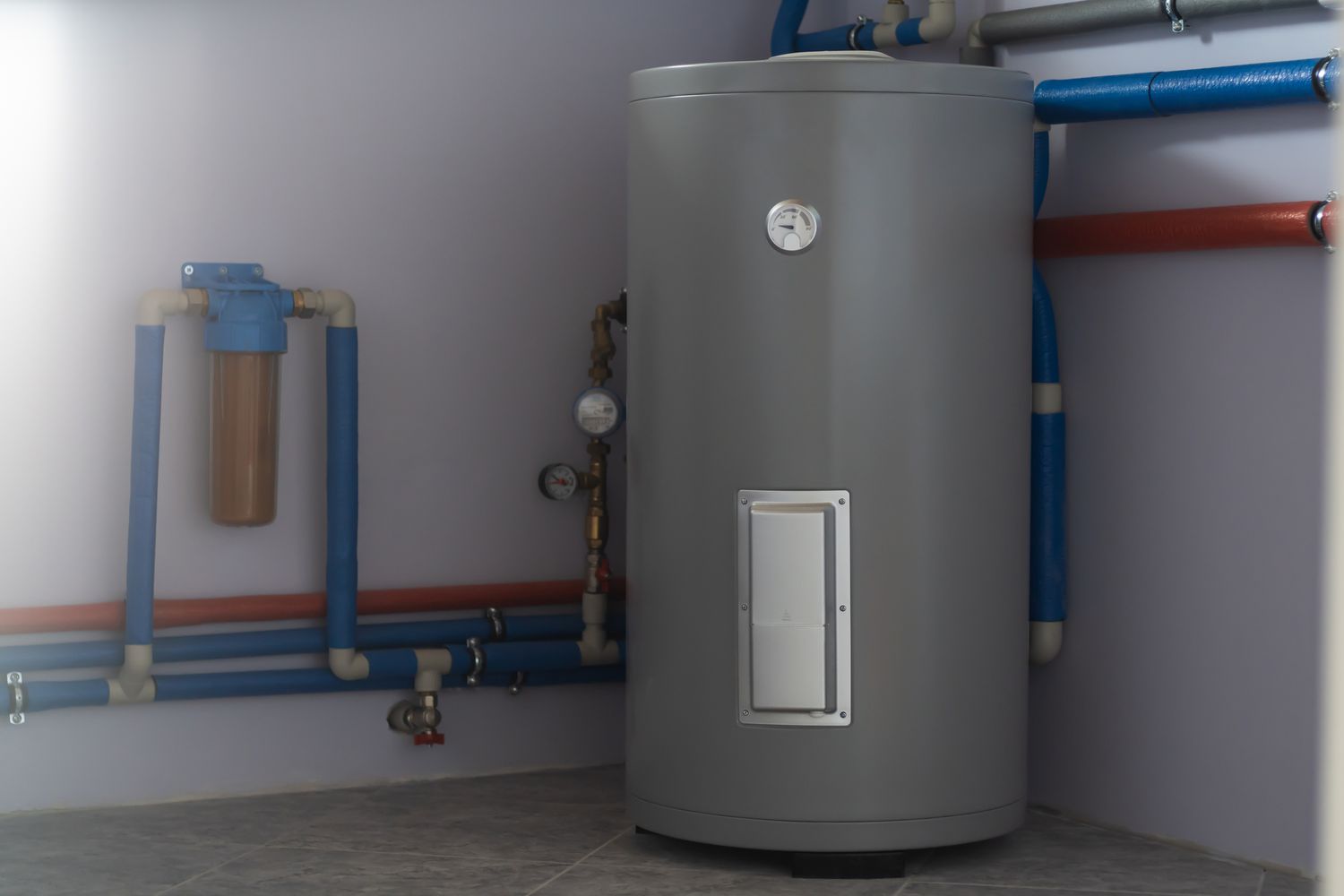
Quick answer: Water in Austin and San Antonio is hard, meaning it carries a heavy load of dissolved minerals. Over time those minerals build up inside pipes, fixtures, and water heaters and shorten their life. During an inspection I check the water heater, run the fixtures, and look for the signs of mineral buildup so you know what condition the plumbing is really in.
Why our water is so hard
The water in this part of Texas moves through limestone before it reaches your tap, and it picks up calcium and magnesium along the way. Those minerals are what make water hard. It is safe to drink, but it is rough on everything it flows through. Most homeowners here notice it as white crust on faucets, spots on glassware, and soap that never seems to rinse off cleanly.
That same buildup that you see on a faucet is also happening inside places you cannot see, like the pipes in the walls and the tank of the water heater. The longer it goes, the more it adds up.
How hard water wears on a home
Mineral scale collects on the inside of pipes and slowly narrows them, which can cut down water flow over many years. It coats heating elements and the inside of water heater tanks, which makes them work harder and wear out faster. It clogs aerators on faucets and the small passages inside fixtures and appliances. None of this happens overnight, but in a region with water this hard, it adds up faster than it would somewhere with soft water.
The water heater usually takes the worst of it. Sediment and scale settle to the bottom of the tank, where they can cause popping and rumbling sounds, reduce how much hot water you actually get, and shorten the life of the unit.
What I check during an inspection
A home inspection is not a plumbing system pressure test, and I make that clear. What I do is operate the plumbing the way you would, look at the accessible parts, and flag the signs that hard water has been taking a toll.
The water heater
I check the age of the water heater from the data plate, since age plus our hard water tells me a lot about how much life is left. I look for corrosion, rust at the fittings, and signs of past or current leaking. I note whether there is a drain pan and a proper discharge line on the temperature and pressure relief valve, which is a safety item I take seriously.
Fixtures and flow
I run faucets, showers, and tubs to check flow and drainage, and I watch for weak pressure that can point to scale buildup. I look at visible supply lines under sinks and at the water heater for crusty mineral deposits at the connections, which is a clear sign of slow seepage over time.
Signs of a water softener
Many homeowners here install a water softener to fight the hardness. When there is one, I note its presence and general condition, though a full evaluation of a softener is a job for a water treatment specialist. A working softener is a real plus for a home in this region because it slows down all of the wear I described above.
What you can do about hard water
You cannot change the water that comes from the city, but you can manage what it does inside your home. A water softener is the most common fix here, and a lot of homes already have one. Flushing the water heater on a regular schedule helps clear out the sediment that collects at the bottom. Cleaning faucet aerators clears the buildup that chokes flow. These are maintenance habits, not big projects, and they make a real difference over the life of a home.
Frequently asked questions
Is hard water dangerous to drink?
No. Hard water is a nuisance for plumbing and appliances, but the minerals in it are not a health hazard. The concern is wear on the home, not safety at the tap.
Does every home here need a water softener?
Not strictly, but many homeowners choose one because it slows the wear on pipes, fixtures, and the water heater. If a home already has a working softener, that is a point in its favor.
Can you tell how hard the water is during an inspection?
I can point out the visible signs of hard water and note whether a softener is present, but a precise hardness measurement is a separate water test. What I give you is a practical read on how the plumbing has held up.
How long should a water heater last in Central Texas?
Our hard water tends to shorten water heater life compared to a soft water area. I always note the age and condition so you can plan for a replacement instead of being surprised by one.
Related reading
Schedule your inspection
If you are buying a home in Austin or San Antonio and want to know what shape the plumbing and water heater are in, I can help. Call or text Rusted Anchor Home Inspections at (210) 997-8871, or email admin@hirustedanchor.com. We inspect homes across Austin, San Antonio, and the Hill Country and give you a clear report on what we find.
By Jeremy Wagner, Rusted Anchor Home Inspections